
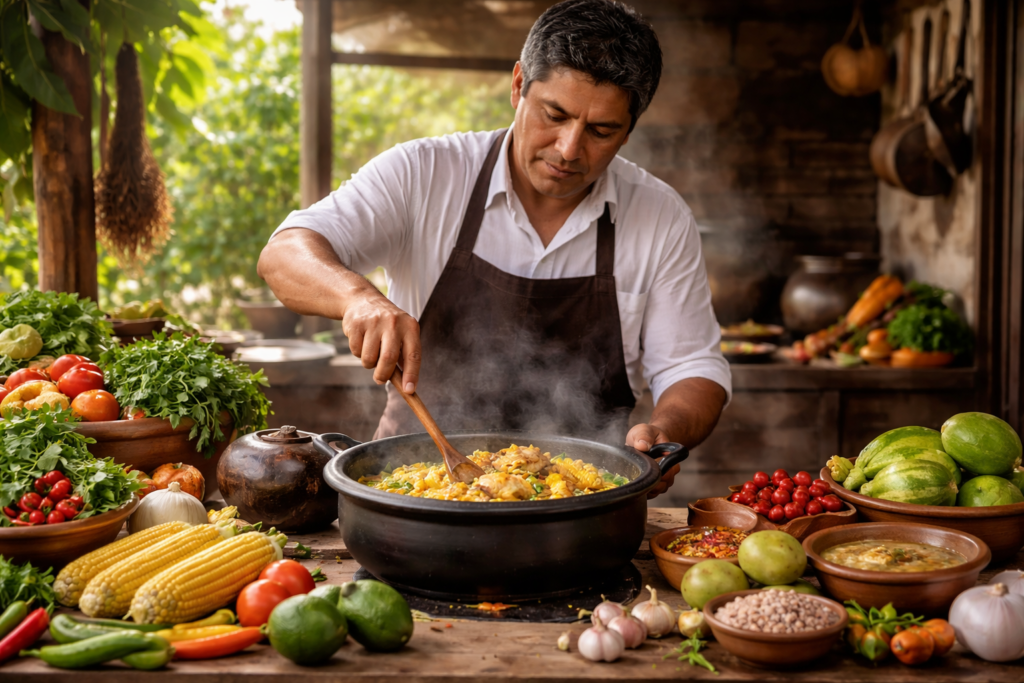

Travel in 2026 has become an extremely immersive and experiential pursuit in which food has taken a leading role. Hyper-local food tourism is no longer a niche interest, but a movement all over the world. Tourists are on a hunt to get some real food experiences that are true to the culture, heritage and identity of a destination. Through country kitchens to busy street markets, food has become the best means of identification to a place and its residents.
What Hyper-Local Food Tourism Is?
Hyper-local food tourism is about learning about local food, which is deeply rooted in local traditions and cooked on the basis of local food. It focuses on authenticity, sustainability and cultural narration.
Food as a Culture identity marker.
Food is an expression of history, geography and customs of a place. Every dish has a story of the lifestyle, climate and heritage of the region. Those who participate in hyper-local food tourism can have a closer experience of the destination than only what they see.
Recovery of Traditional Culinary Arts.
The trend is assisting in the revival of lost recipes and methods of cooking. Food tourism is a means of cultural preservation as communities are rediscovering their culinary heritage and safeguarding it to be passed down to the future generations.
Reasons behind the Hyper-Local Food Tourism Trending in 2026.
- Increased need for real and meaningful travel experiences.
- Impact of social media in marketing hidden food gems.
- More awareness of sustainability and environmentally friendly tourism.
- Longing to experience the culture on a more immersive level.
- Change in luxury eating to a local experience-based eating.
Experiential and Emotional Travel Demand.
Contemporary tourists desire experiences that make them have emotional attachments. Having dinner with locals or cooking as a tradition helps to feel a part of them and makes the journey even more unforgettable.
Digital Platforms in Food Discovery.
Technology has enabled the finding of genuine food experiences easier. The real-time content, reviews, and recommendations help travelers to discover local cuisines that are not mainstream tourism.
Major Motives behind the Hyper-Local Food Movement.
- Giving credit to local farmers and small enterprises.
- Favoritism to fresh, organic and seasonal food.
- Pay attention to lessening environmental impact.
- Culinary curiosity of cultural narration.
- Growth of responsible and ethical tourism practices.
Sustainability and Environment Impact.
Hyper-local food tourism helps to decrease the carbon footprints through support of local sourcing and consumption during seasons. It enhances greener business activities which are in line with the sustainability objectives of the world.
Empowerment of Local Communities.
The local communities benefit economically through this trend. Tourism has a direct positive impact on small vendors, home cooks and farmers resulting in more inclusive and sustainable development.
Popular Hyper Local Food Experiences in 2026.
Farm-to-Table Experiences
Tourists interact with farmers, get to know their farming techniques and get to savor meals prepared using freshly grown food. This brings out the openness and understanding of the food journey.
Purpose: To explore street food delicacies in Dubai and learn their origins.
Street food is authentic and reflects life. Travelers visit local markets and food stalls to get to know the authenticity of the cuisine of a destination.
Culinary Homestays

By staying with the locals, the tourists have the opportunity to understand the local dishes and eat together. This brings about meaningful cross-cultural communication and interconnections.
Festival-Based Food Tourism and Seasonal.
Travelers are interested in food festivals and seasonal specialties as they offer the opportunity to enjoy the region and its traditions and culinary celebrations.
Travel Industry.
Development of Travel Packages.
Food is becoming more of a main component of travel planning, with travel companies devising food-related tours such as cooking lessons, market tours, and local eats.
Micro-Destinations.
Most small towns and rural regions are becoming popular as a result of their distinct culinary cultures and they provide tourists with their authentic experiences unlike tourist hotspots.
Technology Adoption in Food Tourism.
Different travelers are getting personalized food travel experience through AI and digital platforms that assist them in finding hyper-local foods depending on their tastes.
Hyper-Local Food Tourism issues.
Danger of losing originality.
With the trend on the increase, traditional practices may be watered down in commercialization. To preserve cultural value it is necessary to maintain authenticity.
Accessibility and Problems with Infrastructure.
Remote areas do not usually have adequate infrastructure; hence, it becomes hard to have travelers experience original food experiences.
Cultural Sensitivity is a necessity.
To achieve responsible and respectful tourism, travelers are supposed to adhere to the local practices, customs, and food practices.
Future Trends in Hyper-Local Food Tourism.
- Expansion of AI-driven customized cooking travel planning.
- Greater interest in local and native foods.
- Growth of platforms linking travelers to hosts locally.
- Increased focus on sustainability and environmentally friendly tourism.
- Government programs that encourage food heritage of a region.
Growth of Culinary Storytelling.
Local communities are also sharing their food stories online, making them known around the world and preserving the traditions and attracting tourists.
Hyper-Personalized Travel Experiences.
Technology is also making personalized food experiences according to the preferences and dietary needs of people and cultural interests.
Conclusion
The concept of hyper-local food tourism is transforming the world trip as authenticity, culture and sustainability take center stage. Local cuisines are turning out to be the core of exploration as travelers are increasingly demanding more out of their trips and experiences. This not only enhances the traveling experience but it is beneficial to the communities, sustaining traditions and responsible tourism. The future of traveling is to indulge in the local tastes, and the narratives they bring.
FAQs
1. What is hyper-local food tourism?
Hyper-local food tourism is a type of travel, which is concerned with trying authentic and regional foods prepared using locally available food and traditional food preparation techniques thus offering a more in-depth cultural insight.
2. Why is hyper-local food tourism important in 2026?
It is more sustainable, contributes to the local economies, sustains cultural heritage and offers meaningful and unique experiences to the travelers in contrast to normal tourism.
3. What are the advantages of hyper-local food tourism to local communities?
It brings revenue to small business, farmers and home cooks and promotes the conservation of traditional cooking and local culture.
4. What kind of experiences does hyper-local food tourism entail?
Activities will involve farm-to-table dining, street dining tours, culinary homestays, cooking courses, and attending local food festivals.
5. Are hyper-local food tourism sustainable?
Yes, it promotes environmentally friendly activities, including seasonal food, less food transportation, and sustainable tourism, which is a sustainable method of traveling.