
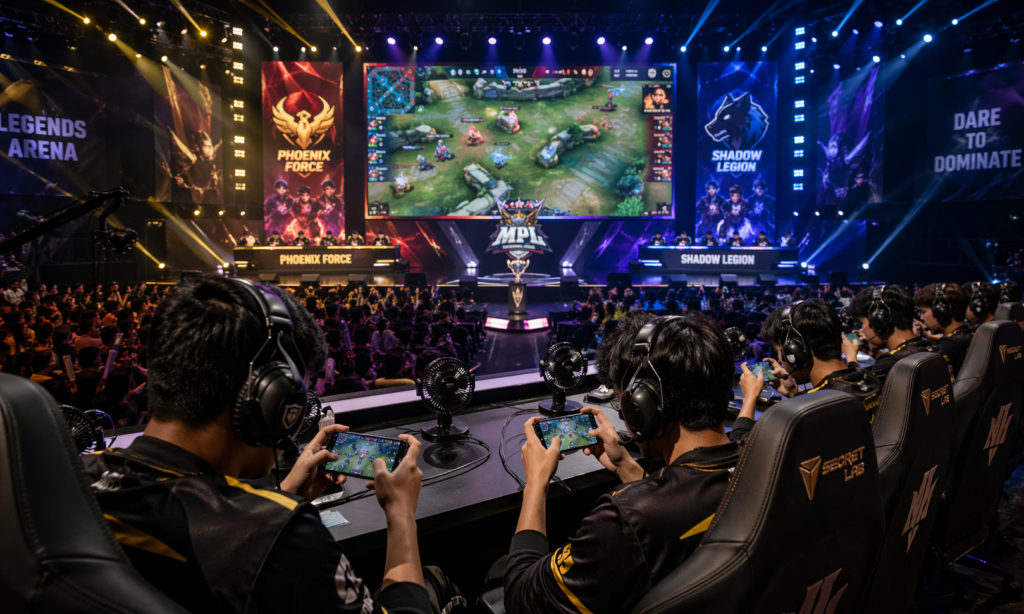

The esports business in 2026 is on a radical shift. Competitive gaming is quickly moving away from high-performance PCs and console setups, shifting towards mobile platforms. Smartphones, which were initially thought of as handheld gaming devices, are capable now of operating full-fledged esports platforms, which have their own professional leagues, sponsored teams, and world championships. This esports revolution on mobiles is not merely a fad; it is redefining accessibility, audience reach and the future of competitive gaming.
Mobile gaming no longer requires a few minutes and a few-button gameplay. The current mobile titles are sophisticated, competitive and they are designed to be played over a long period. The entry barrier has been lowered to an unprecedented degree with billions of active smartphone users across the globe, which means that esports can enter into further regions that PC gaming failed to enter.
Why Mobile Esports Is Becoming More Popular than PC Gaming.
Accessibility and Affordability.
Accessibility is one of the largest drivers of the growth of mobile esports. Premier gaming personal computers are both costly and need other accessories such as monitors, keyboards, and graphics cards. Conversely, smart phones are quite ubiquitous and getting more powerful. Competitive gaming has never been as inclusive as it is now, where players in emerging markets can now engage in competitive gaming without the need to make a heavy investment.
Huge Problem Base.
PCs cannot have the same global reach as Smartphones. Mobile games reach out to a significantly larger number of users because of the billions of users all over the world. This has contributed to the increased number of casual players becoming competitive players, which has tremendously increased the esports ecosystem.
Better Mobile Hardware.
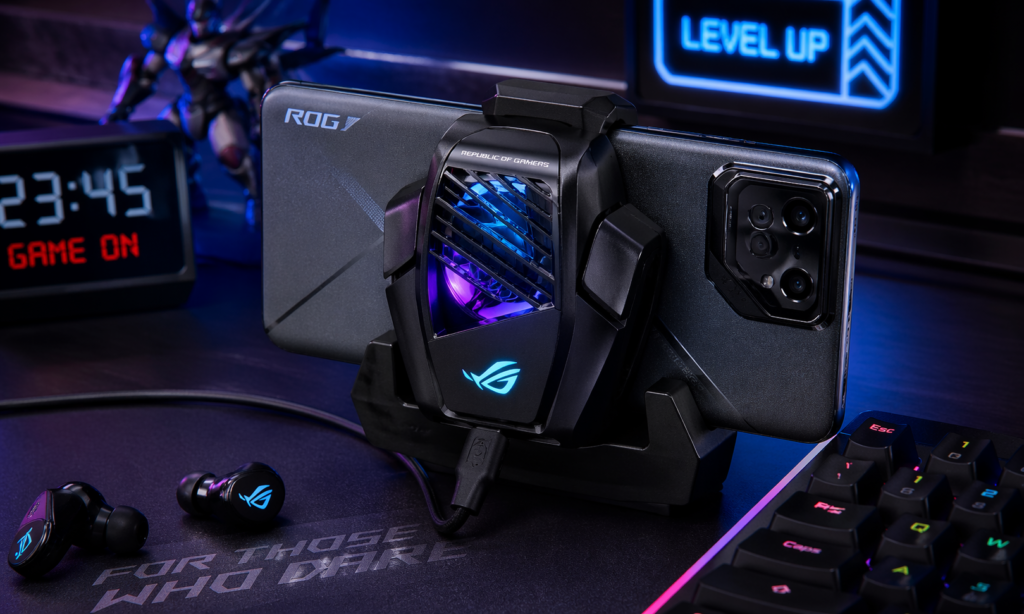
The current smart phones also have high-end processors, high refresh rate screens, and cooling systems that are optimized. These attributes enable a competitive playability that is easy to play, which surpasses the traditional game systems, bridging the performance difference between mobile and PC games.
Significant Benefits of Mobile Esports in 2026.
- Greater availability enables players in any region to play easily.
- Less expensive than the costly PC gaming systems.
- Huge worldwide following due to increasing smartphone use.
- Streaming and creation of content through mobile gadgets without any hassle.
- Ongoing 5G, cloud gaming and advanced hardware innovation.
Important Forces behind the Mobile Esports Revolution.
Game Development (mobile)
Game creators are currently developing games to be played within mobile esports. These games are favorable to touch controls, less time-consuming matches, and balance in competitions, which are considered the best games to enjoy with friends and fans. This change guarantees the enhanced playing experience of the games that are specifically designed to suit the needs of mobile users, as opposed to being ported to PCs.
Streaming and Creator Economy Development.
Mobile esports has contributed to the emergence of content creators who broadcast the gameplay on platforms in real time. Using only a smartphone, players will be able to build audiences, get sponsorships, and develop personal brands. This has already established a new economy based on gaming content that further boosts the growth of esports.
5G/Cloud Gaming Integration.
The implementation of the 5G networks has significantly decreased the latency problem, thus making real-time player games easier. Cloud gaming also goes a step further by allowing games of high performance to be played on mid-range hardware, eliminating hardware constraints.
Trendy Mobile Esports Genres in 2026.
Battle Royale Games.
The battle royale games have remained the dominant types of mobile esports as they are the games that are fast-paced and popular among the masses. Their type of large-scale survival also keeps the players and viewers on the edge of their seats hence suitable in tournaments and live streaming.
Multiplayer Online Battle Arena (MOBA).
MOBA games are still an essential aspect of competitive mobile gaming. Being strategy-based, team-based and skill-based games, they are very attractive in the professional esports competitions.
First-Person Shooter (FPS).
The mFPS has also undergone many changes in terms of improved controls, aim assists and competitive modes. They are now providing almost console-level experiences, where serious competitive gamers are drawn.
Problems of Mobile Esports.
Device Fragmentation
All smartphones are not created equally. The disparities in processors, RAM and refresh rates may cause imbalances and it may be difficult to have a fair competition on the part of the organizers.
Battery and Thermostat Problems.
Gaming may cause overheating and battery drainage in case of long gaming sessions. This impacts play and may interfere with competitive games, particularly, in major championships.
Gaps in Monetization and Sponsorship.
Despite the rapidly increasing mobile esports, it remains behind PC esports in the sponsorship agreements and income. Nonetheless, brands are also investing in mobile platforms as they have extensive coverage.
Future of Mobile Esports.
Extension of professional leagues.
Mobile esports tournaments are getting more organized, with professional teams, sponsorship deals and global tournaments that have large prize purses.
AR/VR Integration.
The new technologies such as augmented reality and virtual reality will most likely improve the experience in mobile games, providing a more engaging and interactive form of esports.
Cross-Platform Competition
In the future, cross-platform play will probably be enabled, allowing mobile users to run against PC and console users, further merging platform distinctions.
Conclusion
In 2026, mobile esports will not merely be as ubiquitous as PC gaming; it will be significantly more accessible, inclusive, and able to grow. Competitive gaming no longer has to be limited to expensive systems with the increasing power of smartphones and the advancement of internet connectivity around the globe. Rather, it is turning into a mass-participation digital sport, and can be played by anyone with a smartphone.
Technological innovation, focus on developers, and the expansion of the global audience is forming a new era of esports, a mobile-first one, with a high scale and great interaction. Although issues such as device limitations and monetization are still present, they are under consideration with ongoing improvements.
Considered Frequently Asked Questions (FAQs).
1. What is making mobile esports a more popular game than PC?
Mobile esports is more affordable, easily accessible, and is widely available, which means that more people can participate and compete.
2. Is it possible to compete with PC games with mobile games in esports?
Yes, mobile esports has become very competitive due to the introduction of smartphones and optimized game design.
3. What kind of games prevail in mobile esports?
The most common types of games are Battle royale, MOBA, and FPS games.
4. Is there a movement of professional players to mobile esports?
Yes, particularly in areas where mobile usage is high, there are numerous players who are developing mobile esports careers.
5. So, what will become of mobile esports?
The future will involve the global tournaments, enhanced integration of technologies, and even more investment by the large brands.