
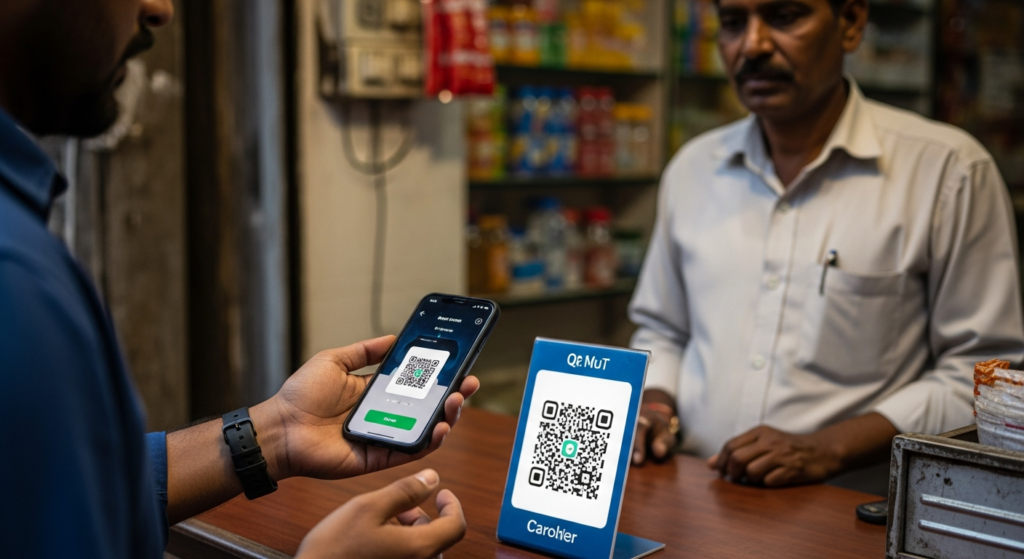

The change in the manner in which financial transactions are being carried out is a giant phenomenon that is being observed in India with the emergence of digital payments as the new culture. Cashless transactions have become the norm since small tea stalls up to the huge shopping malls. Unified Payments Interface (UPI) is a key factor that has enabled this change and ensured that payment and receipt of money has been quicker and simpler than ever before. It’s easy to use interface and instant processing systems have helped it to grow at a rapid rate.
Meanwhile, the world’s fintech systems like PayPal and Stripe are still controlling the global digital payment market. Although these systems are very efficient and are widely used in countries, they are different from UPI in terms of cost, availability, and organization. This paper will discuss the comparison between UPI and the global fintech systems and how it differentiates itself in the digital economy.
Understanding UPI System
How UPI Works
Upi is an instant payment platform created by the National Payments Corporation of India which enables people to send and receive money between bank accounts via the use of mobile phones. Users do not need to enter lengthy bank details, but do it with a Virtual Payment Address, mobile number, or QR code and that is it. This convenience has seen UPI gaining pivotal popularity among the individuals of all ages.
The other important characteristic of UPI is that it is available 24/7, which means that one can make payments any time without any limitations. It helps in peer to peer as well as merchant transactions and therefore it is applicable in the day to day financial operations. Having good encryption and authentication techniques, UPI provides secure and reliable transactions, and develops trust among the users.
Benefits of UPI
The best feature of UPI is that it is cost-effective since most transactions are free, or have a small fee. This gives it a very good fit with small payments that are used in everyday life. Also, the interoperability of UPI enables consumers to integrate various bank accounts in one application, which streamlines the management of finances.
UPI also pursues a similar goal of financial inclusion, where rural and semi-urban residents are able to easily access digital payments. Users through a smartphone and internet connection can be part of the digital economy and do not require banking infrastructure to do so. This has helped to decrease the reliance on cash transactions to a larger extent in the country.
Digital Payments in India Growth.
Factors Driving Growth
The fast rate of digital payment growth in India could be explained by various reasons, such as the governmental programs such as Digital India and the higher penetration rates of smartphones. The 2016 demonetization step also contributed significantly to making people use cashless payment options. Subsequently, online transactions are more prevalent in every industry.
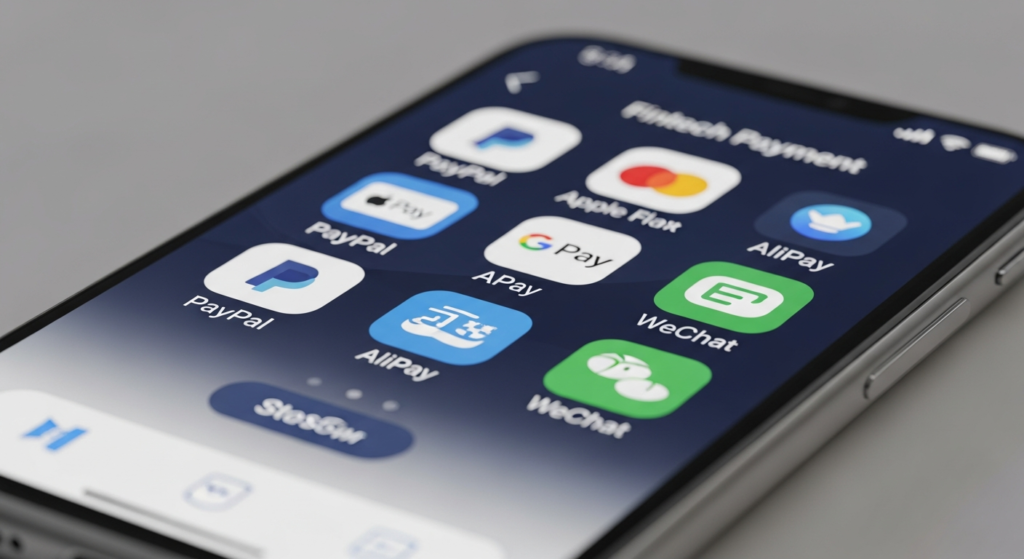
Google Pay, PhonePe, and Paytm are some of the apps that have only boosted this growth since they provide easy and convenient payment options. These sites have simplified paying bills, sending money and shopping online without any inconveniences.
Key Growth Highlights
- Huge growth in the UPI transactions of daily transactions in India.
- Government policies and initiatives were very strong.
- More intensive use of smartphones and internet in the country.
- User-friendly onboarding process of users and merchants.
- The growth of payment systems based on QR in local markets.
- Increasing confidence in online and paymentless operations.
Fintech Systems in the World.
How They Operate
International and online systems such as PayPal and Stripe are global fintech frameworks used to support transactions. They also make use of card networks, digital wallets and bank integrations to make payments. Businesses across different regions use these systems to conduct e-commerce, subscriptions and cross-border payments.
These platforms are however unlike UPI as they normally involve charges on transactions which may differ depending on the nature and the location of the transaction. The time of settlement can also vary, and it can be longer as compared to the instant processing by UPI. Nevertheless, they provide new tools and services that will be useful to international companies.
Benefits and shortcomings.
The international payment system and business-friendly solutions have been known to be done well through global fintech systems. They are provided with such services as fraud detection, analytics, and API integrations, which can be useful in companies working on a large scale. Nevertheless, the fact that they are more expensive and require an intermediary can be a drawback to the small users.
On the other hand, UPI emphasizes simplicity and low costs hence being domestic friendly. Although it is going global, it has yet to establish a greater international presence with effective infrastructure to compete with its more established fintech platforms.
UPI and Global Fintech Systems.
Key Differences
UPI is characterized by the fact that it is used in daily life because it is the fastest to complete payment and has low transaction fees. International fintech systems on the other hand are better suited to international and business transactions. Such a difference as a fundamental feature shows the particular abilities of both systems.
UPI is also more accessible, since it is compatible with other banks and will not make the user rely on multiple applications. On the other hand, the global systems may also demand extra procedures and costs that may make the systems less convenient to their users.
Future Comparison
With the further development of digital payments, UPI and global fintech systems are also set to expand and develop. UPI is increasing its international market share and international markets are advancing their services through emerging technologies. It may be realized through collaboration between these systems and this may result in more efficient and smooth global transactions in future.
Conclusion
The growth of digital payments in India is an illustration of the strength of innovation and successful policy implementation. UPI has changed the manner in which individuals transact money with unrivaled convenience and low-cost. Although the international markets are still dominated by global fintech systems, UPI has been a competitive force in the digital payment market.
With the current progress in technology, the distance between the local and international payment systems can be reduced. As it keeps on enhancing and expanding globally, UPI can end up being one of the most prominent players in the world of fintech.
(FAQs)
What is UPI?
UPI is a mobile payment platform or real-time payment system which enables a person to transfer money instantly through a bank via mobile devices.
Is global fintech systems superior to UPI?
UPI is more suitable in domestic payments whereas international systems are more robust in international payments.
Are UPI transactions safe?
The answer to this is yes, provided that users take adequate safety measures, UPI transactions are safe.
What makes international fintech solutions expensive?
They impose the charges of processing, particularly when doing transactions across the borders.
Can UPI be used worldwide?
UPI is going worldwide but only to a few countries.